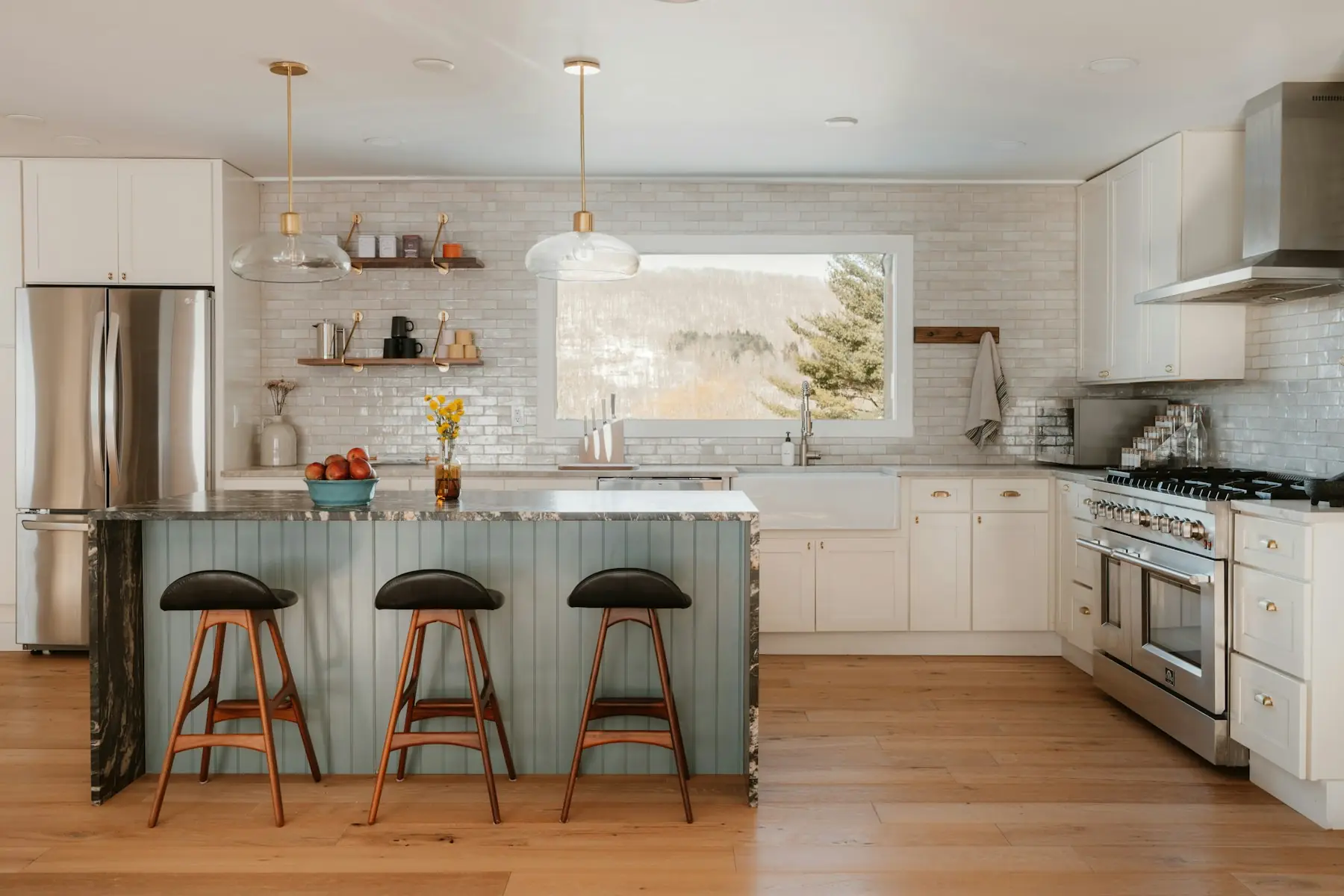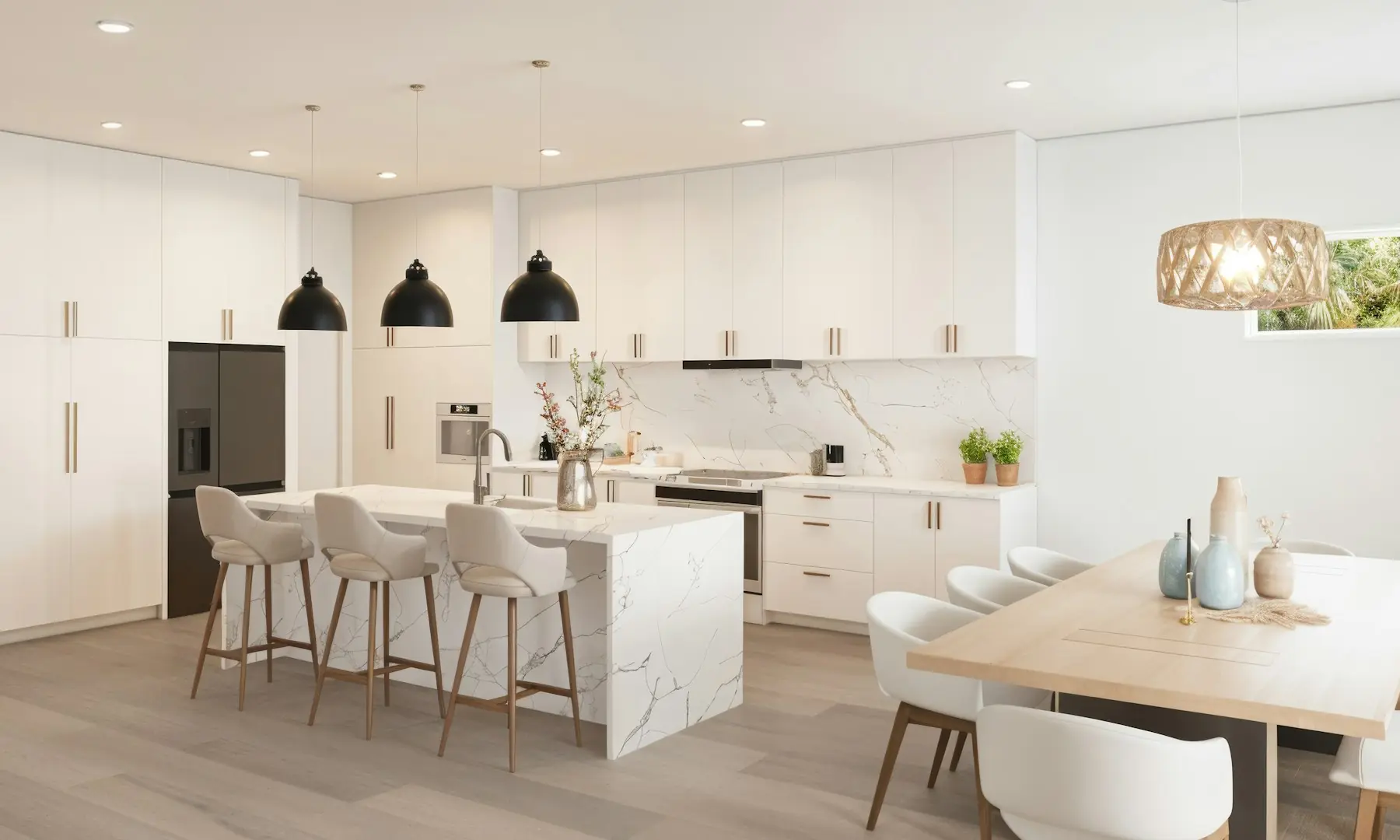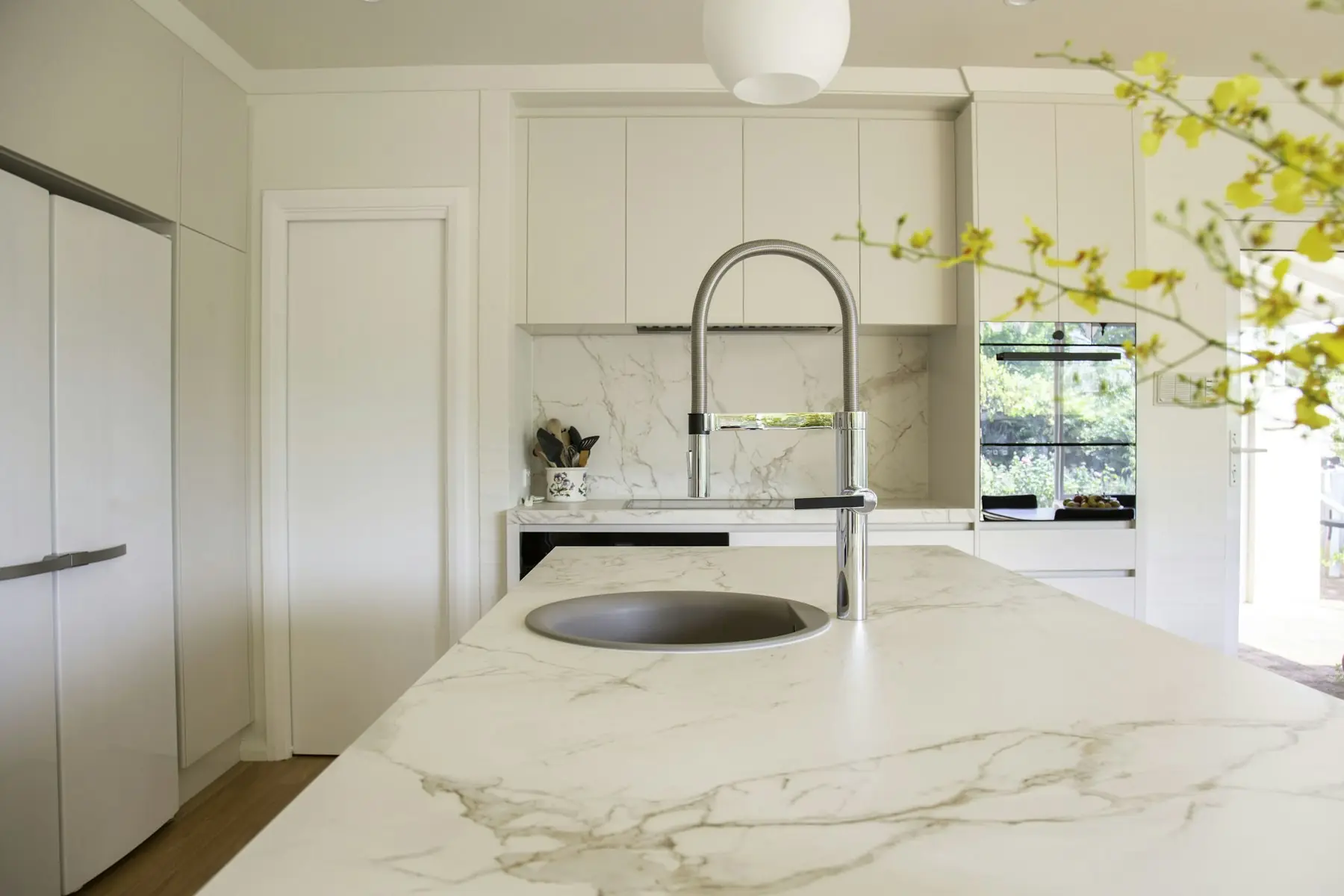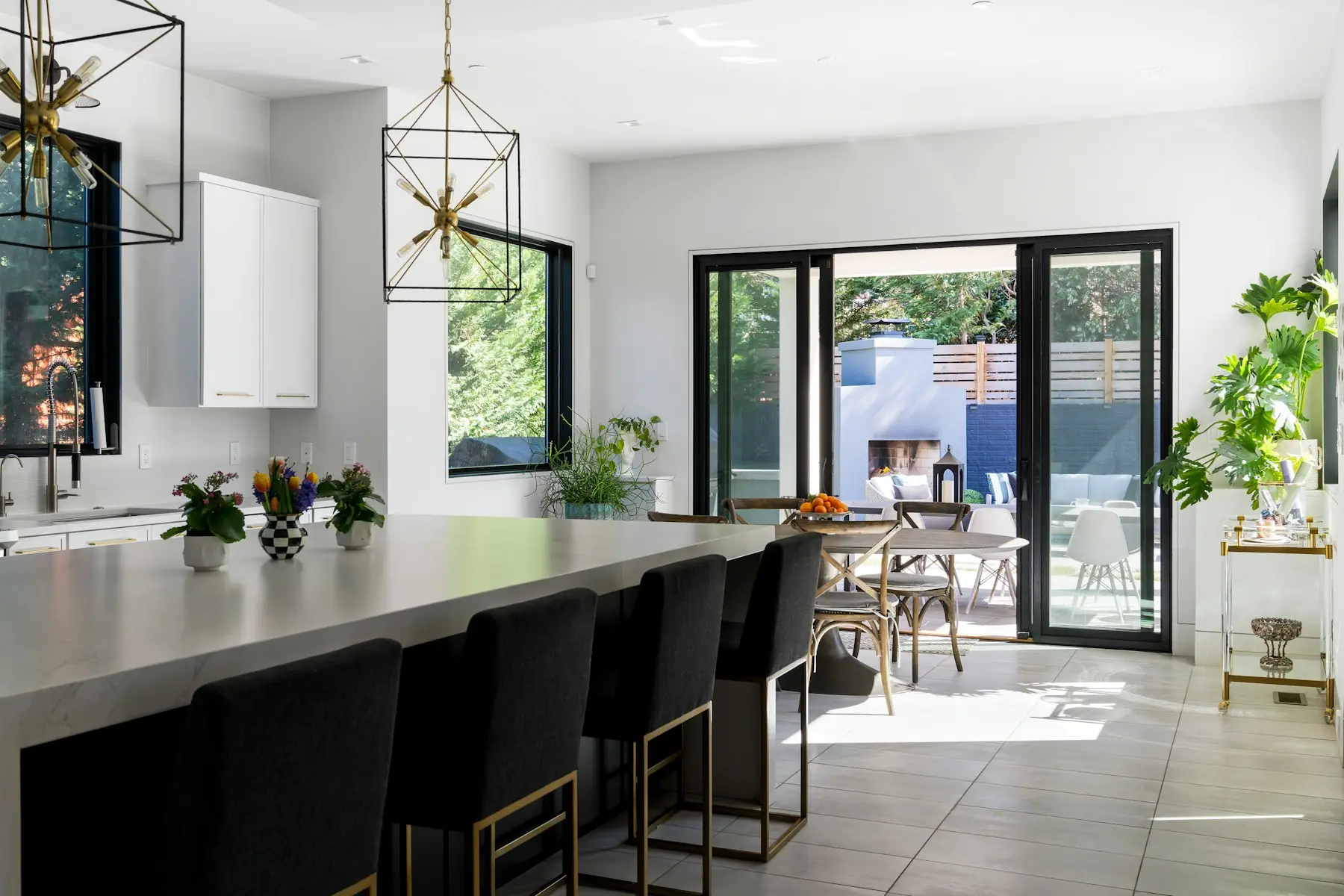
New kitchen cabinets are the single largest line in most San Jose remodels, usually 30 to 35 percent of the total. For an average-size kitchen, installed cabinets run roughly $12,000 to $25,000 for stock and semi-custom lines and $30,000 to $60,000 or more for full custom work built by a Bay Area shop.
Stock, semi-custom or custom: what you are really choosing
The three labels describe how cabinets are made and how much you can change, not how good they look. Plenty of stunning San Jose kitchens use semi-custom boxes; plenty of disappointing ones paid for custom.
| Type | How it is built | Sizes and options | Typical lead time | Installed cost, average kitchen |
|---|---|---|---|---|
| Stock | Pre-built in fixed sizes, often ready-to-assemble or in a warehouse | 3-inch width increments, limited finishes | In stock to 3 weeks | $8,000 – $16,000 |
| Semi-custom | Built to order from a catalog | More sizes, depth changes, many finishes, organizers | 4 – 8 weeks | $14,000 – $30,000 |
| Custom | Built by a cabinet shop for your exact room | Any size, species, finish or detail | 8 – 14 weeks | $30,000 – $60,000+ |
Prices here are planning ranges for a 10-by-12 to 12-by-15 foot kitchen in San Jose, combining national cost data from sources like HomeAdvisor and Angi with Bay Area labor rates. They are not quotes.
Construction details that matter more than the door
When two bids look alike, compare the boxes. These are the details that decide whether cabinets still look good in twenty years.
- Box material. Furniture-grade plywood holds screws and resists water better than particleboard, especially in the sink base. Many good semi-custom lines offer plywood as an upgrade; ask for it at least under the sink and dishwasher.
- Framed or frameless. Framed cabinets have a face frame around the opening and suit shaker and traditional kitchens. Frameless, or European-style, boxes give about 10 to 15 percent more usable interior space and suit modern and Eichler kitchens.
- Drawer boxes and slides. Dovetailed solid-wood or quality metal drawer boxes on full-extension, soft-close slides are worth paying for. Heavy pot drawers should be rated for the load.
- Hinges. Concealed, adjustable soft-close hinges are standard on most decent lines now. Check that the door can be adjusted in three directions.
- Finish. Factory catalyzed finishes are tougher than site-applied paint. Painted cabinets will show hairline cracks at door joints over time; that is wood moving, not a defect.
Planning a cabinet layout that works
A good cabinet plan starts with how you use the room, not with a catalog. Most San Jose kitchens we see share a few problems that new cabinets can solve:
- Swap base cabinets for drawers. Deep drawers for pots and dishes are easier to use than doors and shelves, particularly for anyone with back or knee trouble.
- Use the corners. Blind corners in 1960s L-shaped kitchens waste space. A corner drawer unit, a pull-out, or simply a different layout can recover it.
- Run uppers to the ceiling when the ceiling is 8 feet. It removes the dust shelf on top and adds storage for rarely used items. In tract homes with a duct soffit, decide whether to keep, rebuild or reroute it.
- Plan a landing zone. Allow at least 15 inches of counter beside the refrigerator handle side, and 12 to 15 inches on each side of the cooktop.
- Think about the trash. A double pull-out for trash and recycling near the sink, plus a spot for San Jose's compost pail, is one of the most appreciated details in a finished kitchen.

Door styles and what they suit
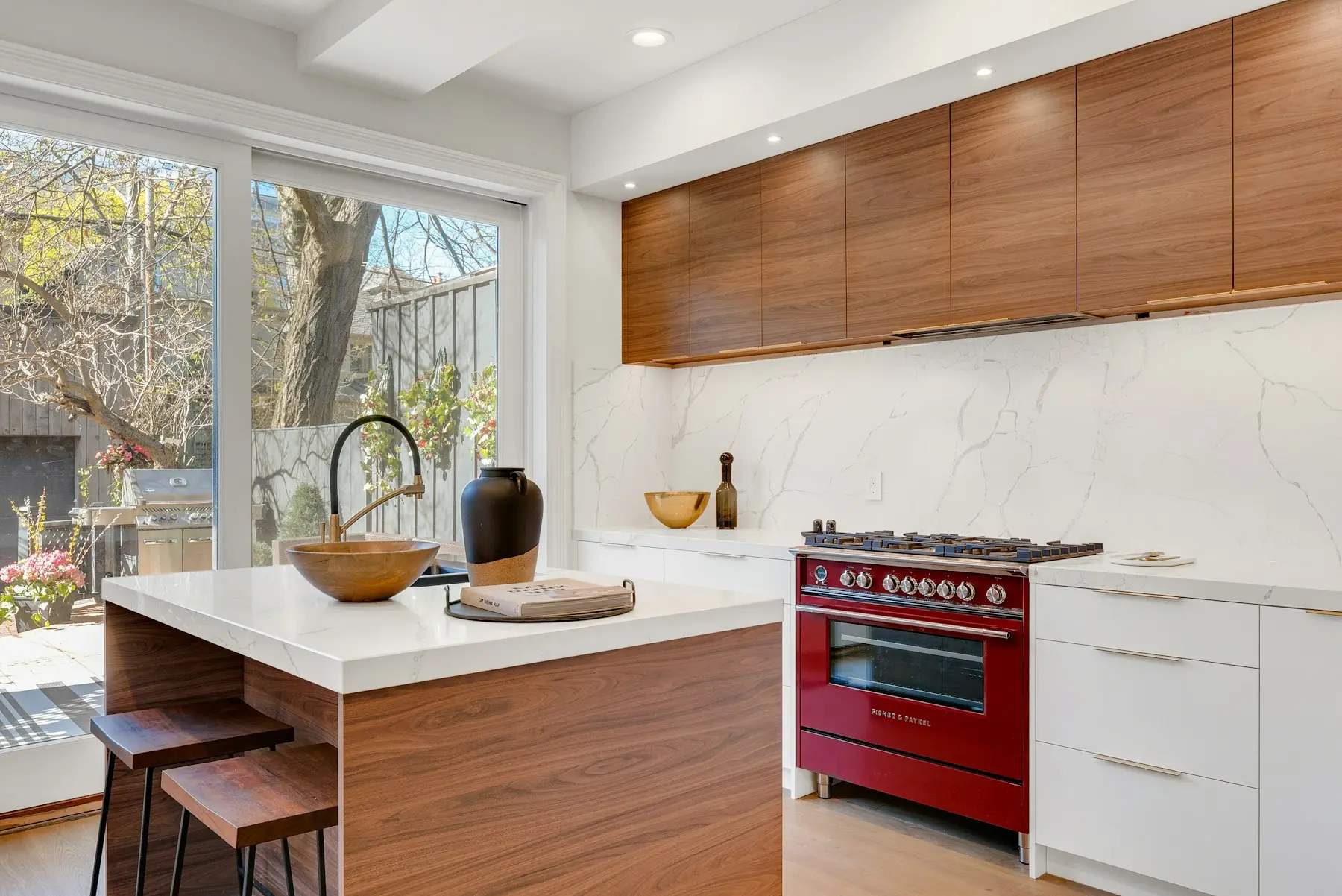
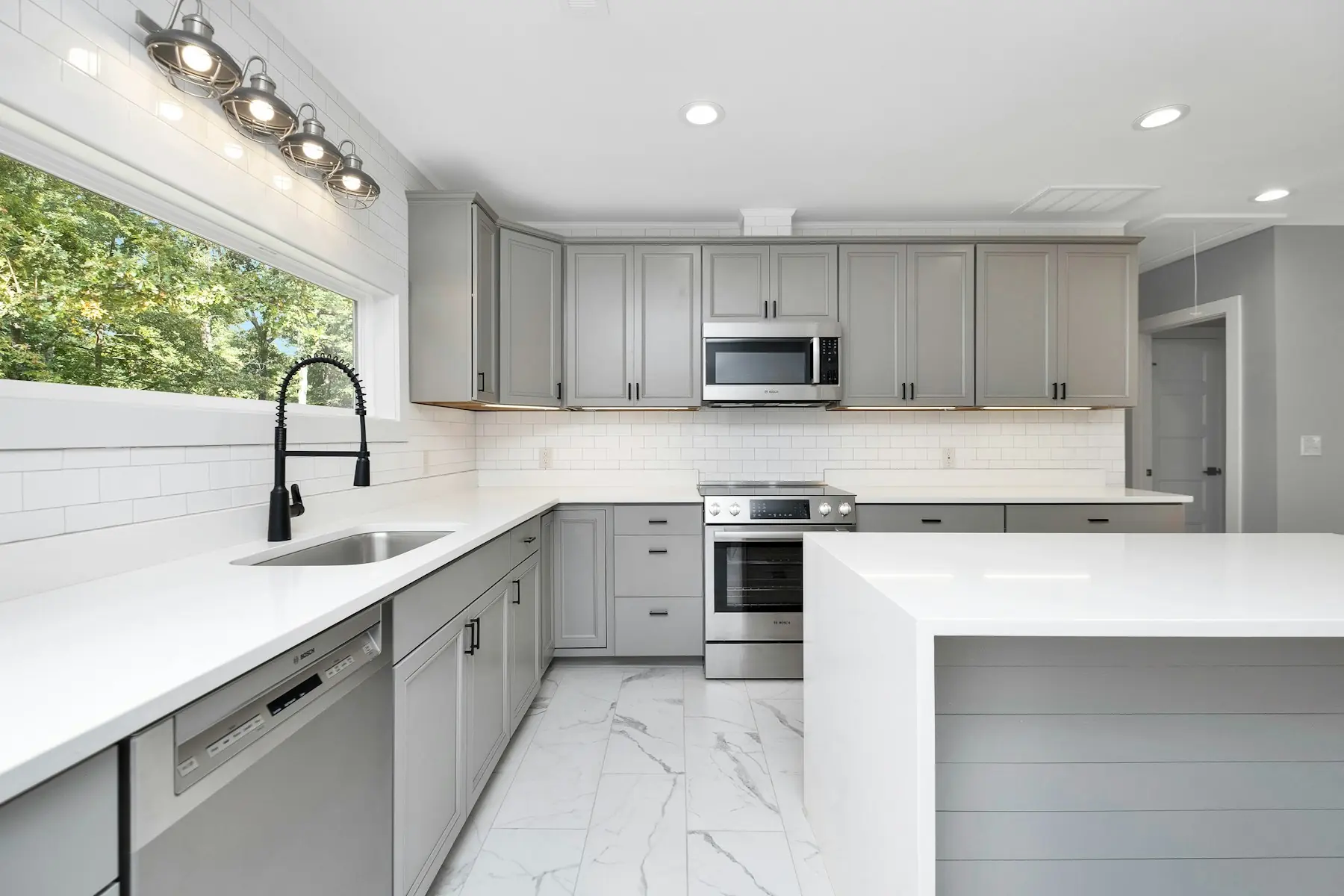
Shaker doors with a simple recessed panel are the most popular choice in San Jose, and they work in ranch homes, bungalows and transitional kitchens alike. Slab doors, especially in rift-cut white oak or walnut veneer, define modern and mid-century kitchens and pair naturally with frameless boxes. Inset doors, set flush inside the face frame, give a crafted look suited to older Willow Glen and Naglee Park homes but cost more and need precise installation. Raised-panel doors read traditional and suit some Spanish and Mediterranean homes in Almaden and the hills.
Color trends shift every few years. Warm woods and deep greens are popular right now, and a two-tone scheme with a darker island is a safe way to add color without committing the whole room.
How installation works
Installation quality is the hidden half of a cabinet job. Old San Jose floors and walls are rarely flat or plumb, especially in homes that have settled over decades. A careful installer will:
- Find the high point of the floor and set a level line for all base cabinets.
- Shim and fasten boxes to studs, not just to each other.
- Scribe fillers and panels to wavy walls so gaps disappear.
- Check that drawers and doors line up across the run before counters are templated.
- Protect finished cabinets during the rest of the construction.
Countertop fabricators template only after cabinets are fully set, which is why cabinet delays push the entire schedule.
Get a cabinet layout and installed priceFree in-home or video consult, an itemized written bid, no obligation.
Permits for cabinet replacement in San Jose
Replacing cabinets alone is generally cosmetic work in the City of San José's view and does not need a building permit. Once the job includes new outlets, under-cabinet lighting circuits, a relocated sink or a new range hood, it becomes at least a minor remodel with electrical or plumbing permits. Most cabinet replacements are part of a larger remodel anyway; our permit guide explains the line.
New cabinets or refacing?
If your existing cabinet boxes are solid plywood, the layout works, and you mostly dislike the doors, cabinet refacing can save a large share of the cost. If boxes are damaged, the layout is wrong, or you plan new counters anyway, replacement usually wins. New counters rarely survive being lifted off old cabinets, which narrows the savings of keeping the boxes.
Cabinet costs in context
Cabinets interact with everything else in the budget. Changing the layout means new plumbing and electrical rough-in. Taller uppers may require moving a soffit. Frameless cabinets may need more precise walls. When you compare bids, make sure each one includes the same cabinet line, box material, number of drawers, crown and light rail, panels for the dishwasher or refrigerator, hardware, and installation labor. Our cost estimator shows how cabinet choices change a full-kitchen budget.
Hardware and organizers worth considering
Pull-out spice racks beside the range, peg drawer systems for dishes, vertical tray dividers above the oven, and a hidden step stool in the toe kick are small additions that make daily life easier. Soft-close hinges and full-extension slides should be standard. Choose hardware large enough for the door or drawer size, and test the grip before ordering.
Delivery and storage
Cabinets often arrive before the kitchen is ready. Plan a dry, secure space, such as a garage, and inspect every box for damage on delivery.
Cabinet warranties
Manufacturer warranties range from a few years to lifetime coverage on boxes and hardware, with shorter coverage on finishes. Read what is excluded, especially water damage and installation errors. Ask your installer what workmanship warranty they provide in addition to the manufacturer's coverage, and keep the order paperwork with model numbers and finish names for future touch-ups or replacements.