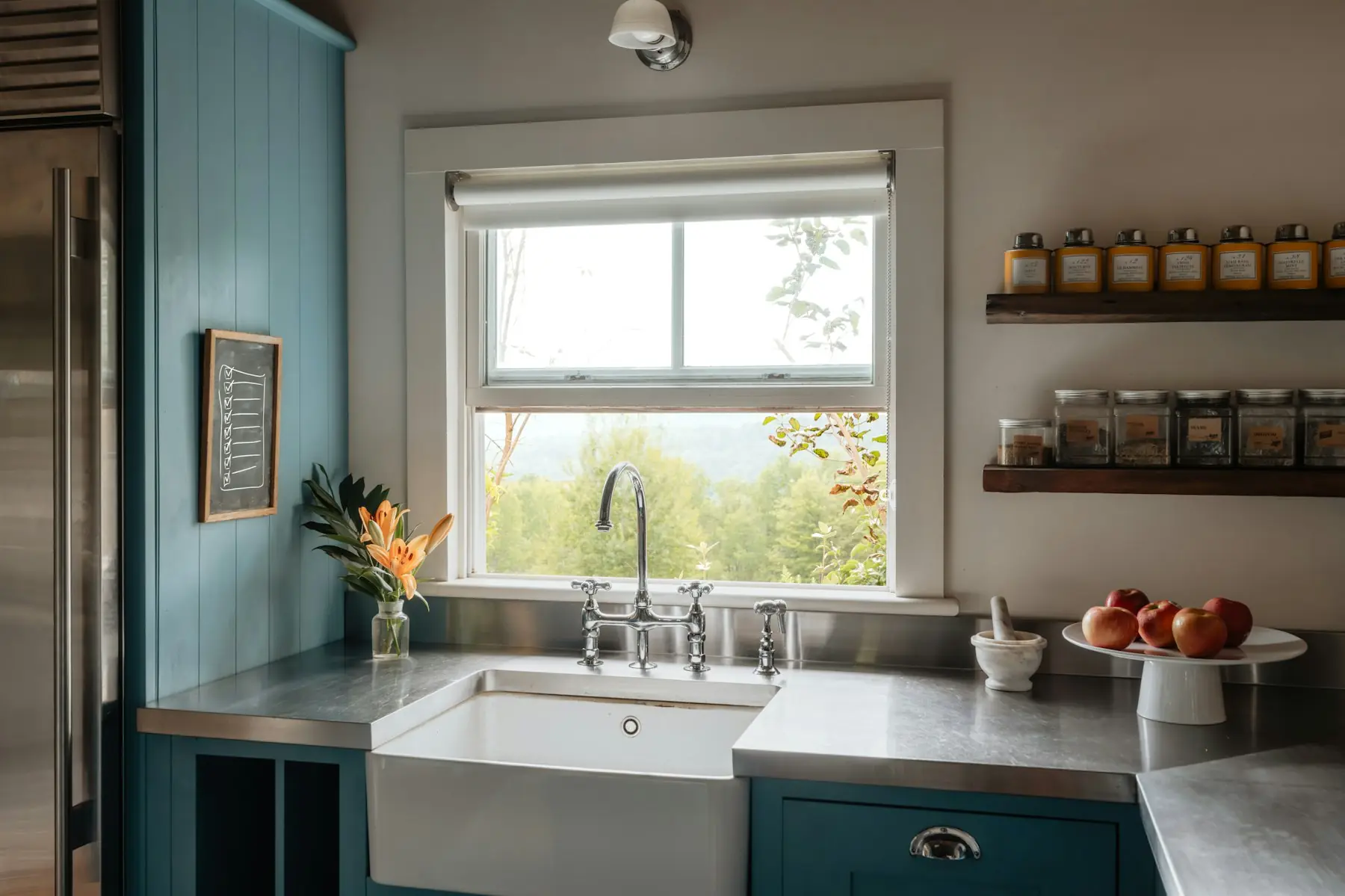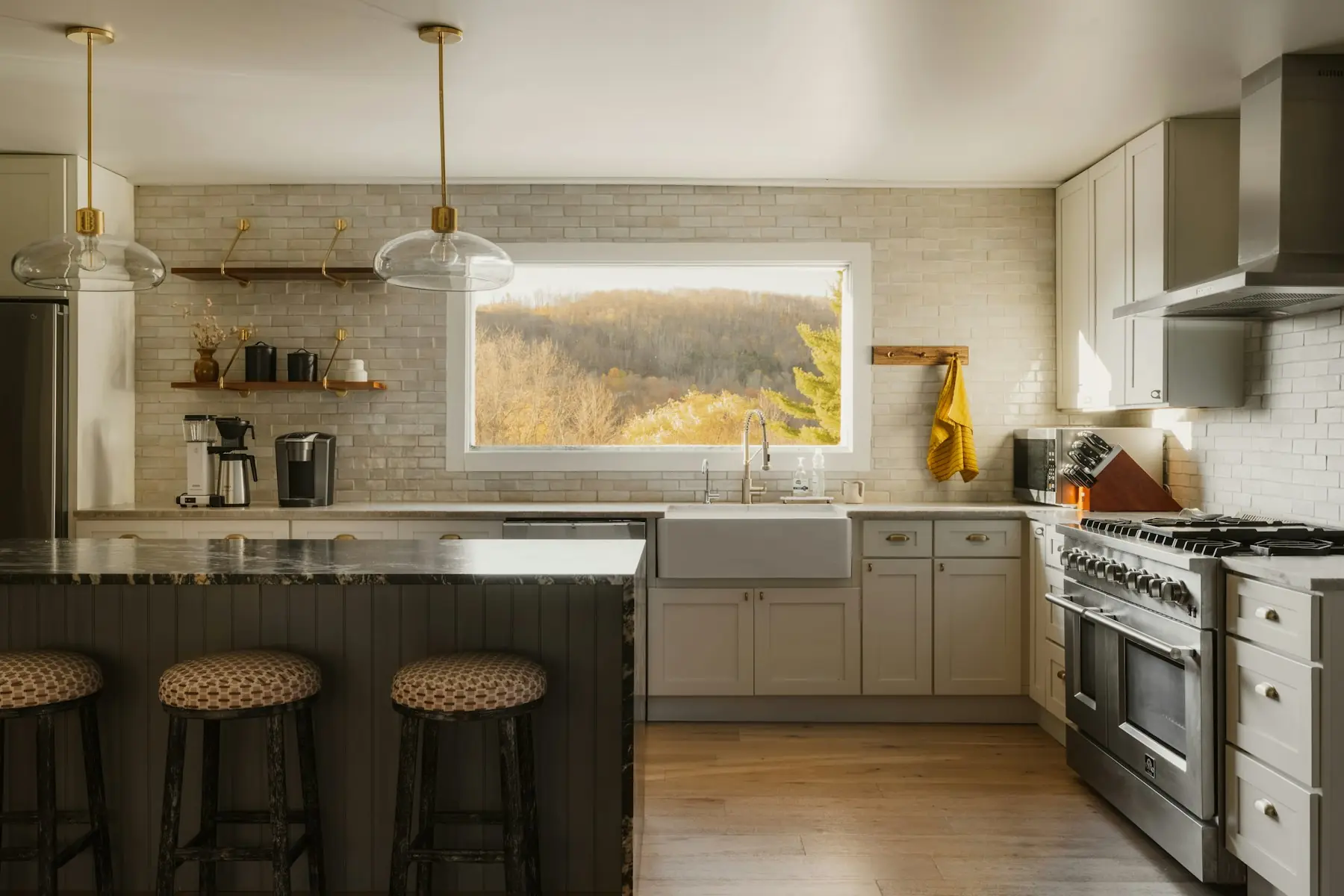
A Spanish Revival kitchen remodel in San Jose typically costs $70,000 to $150,000, more when plaster walls, older wiring and custom tile work are involved. The goal is a kitchen that feels like part of a 1920s house while working like a new one.
San Jose's Spanish Revival heritage
Spanish Colonial Revival architecture swept California in the 1920s and early 1930s, and San Jose's older neighborhoods have fine examples. Naglee Park, the Rose Garden, the Alameda corridor, Hanchett Park and parts of Willow Glen include stucco homes with clay tile roofs, wrought iron, arched windows and thick walls. In the hills above Almaden and Evergreen, later Mediterranean-style homes from the 1980s through 2000s borrow the same vocabulary on a bigger scale.
Many original kitchens in these homes were small, utilitarian rooms. Over the decades they were remodeled, often more than once, so few original kitchens survive. That gives you freedom to design a kitchen that suits the house rather than restoring one that never was.
Elements that make a Spanish Revival kitchen
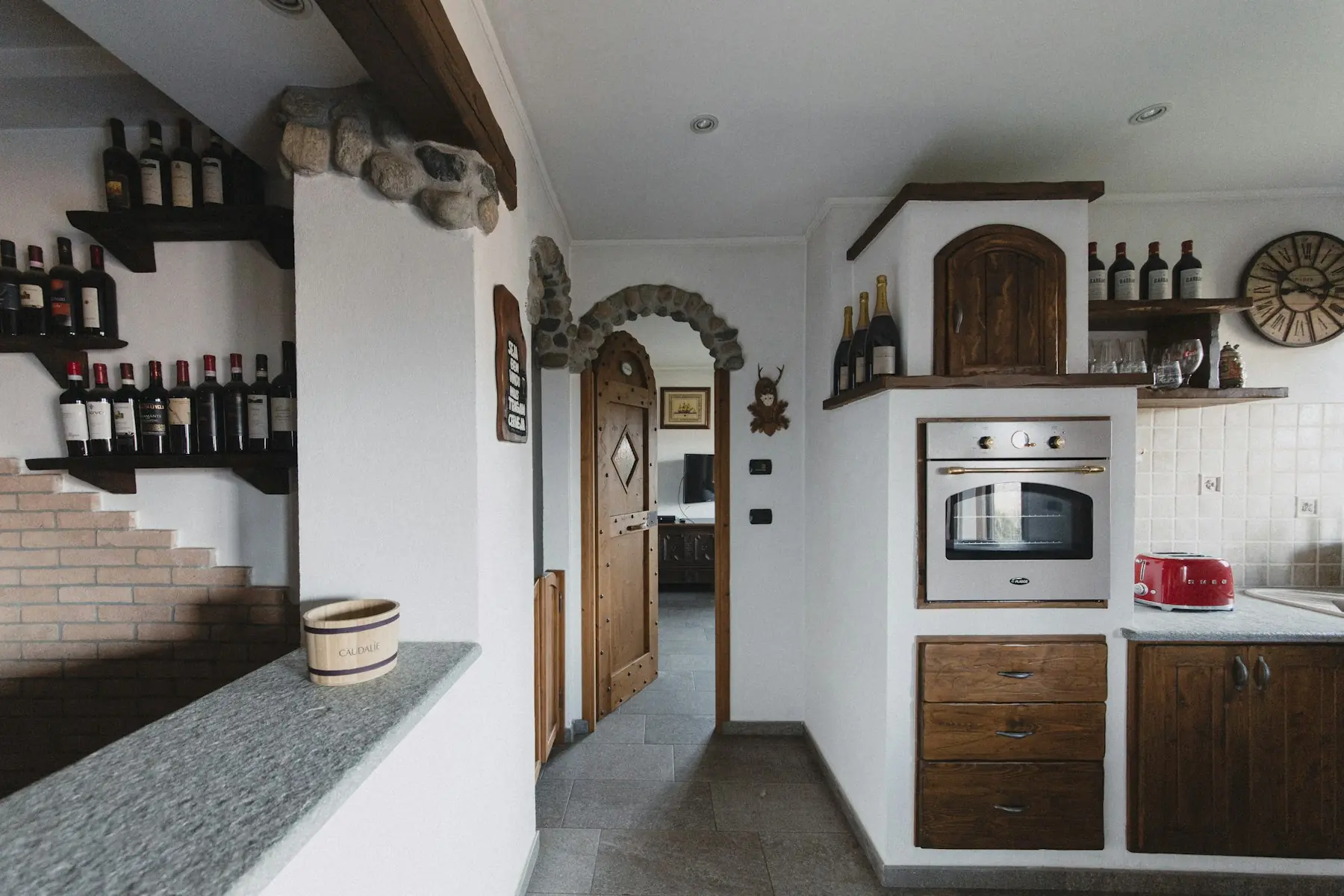
- Plaster range hood. A tapered, hand-troweled plaster hood is the signature. It hides a powerful hood insert and duct.
- Handmade tile. Glazed terracotta, zellige, Talavera-inspired patterned tile or simple square tile in warm white, cobalt, green or ochre on the backsplash and sometimes the hood surround.
- Arches. An arched opening into the dining room, an arched niche for spices, or an arched window over the sink.
- Wood. Stained cabinets in walnut, oak or alder, or painted cabinets with wood open shelving and beams.
- Iron and bronze. Hardware, pendant lights and shelf brackets in aged bronze or black iron.
- Terracotta or tile floors. Saltillo-look porcelain gives the look with less maintenance than real Saltillo.
Working inside an older San Jose home
Homes from the 1920s and 1930s bring specific challenges, and planning for them keeps the budget honest:
Plaster walls. Original lath-and-plaster walls are dense and beautiful, but removing them is dusty and labor-intensive. Many remodelers remove plaster only where needed and patch with plaster or drywall carefully matched in texture.
Old wiring and plumbing. Knob-and-tube wiring, cloth-covered cable and galvanized pipe are common. Any circuit modified during the remodel will be updated. Budget for replacing supply lines in the kitchen at minimum.
Lead paint. Homes built before 1978, and especially before 1950, very likely have lead paint on trim, windows or walls. Certified lead-safe practices are required when disturbing it.
Seismic considerations. Many older homes have had foundation bolting and cripple wall bracing added; if yours has not, a remodel is a good time to talk to a contractor about it, though it is separate from the kitchen permit.
Historic districts. Exterior changes to homes in a City landmark district or listed on the Historic Resources Inventory, such as altering windows visible from the street, may require Planning review. Interior kitchen work generally does not.
Making it practical
Spanish Revival style looks best when the modern function is hidden. A paneled refrigerator, a dishwasher with a cabinet front, a microwave drawer in the island and a powerful hood insert inside the plaster hood all help. Choose counters that can take a hot pot and a lemon: honed quartzite, granite, soapstone or porcelain. Marble works if you love patina.
Spanish Revival kitchen costs
| Project type | Planning range |
|---|---|
| Refresh with new tile, plaster hood, lighting and painted cabinets | $30,000 – $55,000 |
| Full remodel, same layout | $70,000 – $110,000 |
| Full remodel with arched openings, custom cabinetry and layout changes | $110,000 – $160,000+ |
A custom plaster hood alone often costs $3,000 to $8,000 installed, including the insert. Handmade tile costs more per square foot than machine-made tile and takes longer to install.
Plan a Spanish Revival kitchen for your homeFree in-home or video consult, an itemized written bid, no obligation.
Tile tips
Handmade tiles vary in size, thickness and color. Order 15 to 20 percent extra, ask the installer to blend boxes, and accept some irregularity; that is the charm. Grout color changes everything. A warm white grout with white zellige looks soft and seamless, while a contrasting grout emphasizes pattern.


Illustrative Naglee Park project
Picture a 1928 Spanish Revival home in Naglee Park with thick stucco walls, a red tile roof, an arched window over the sink and a cramped kitchen beside a breakfast room. The owners want a kitchen that feels original and holds a family of five.
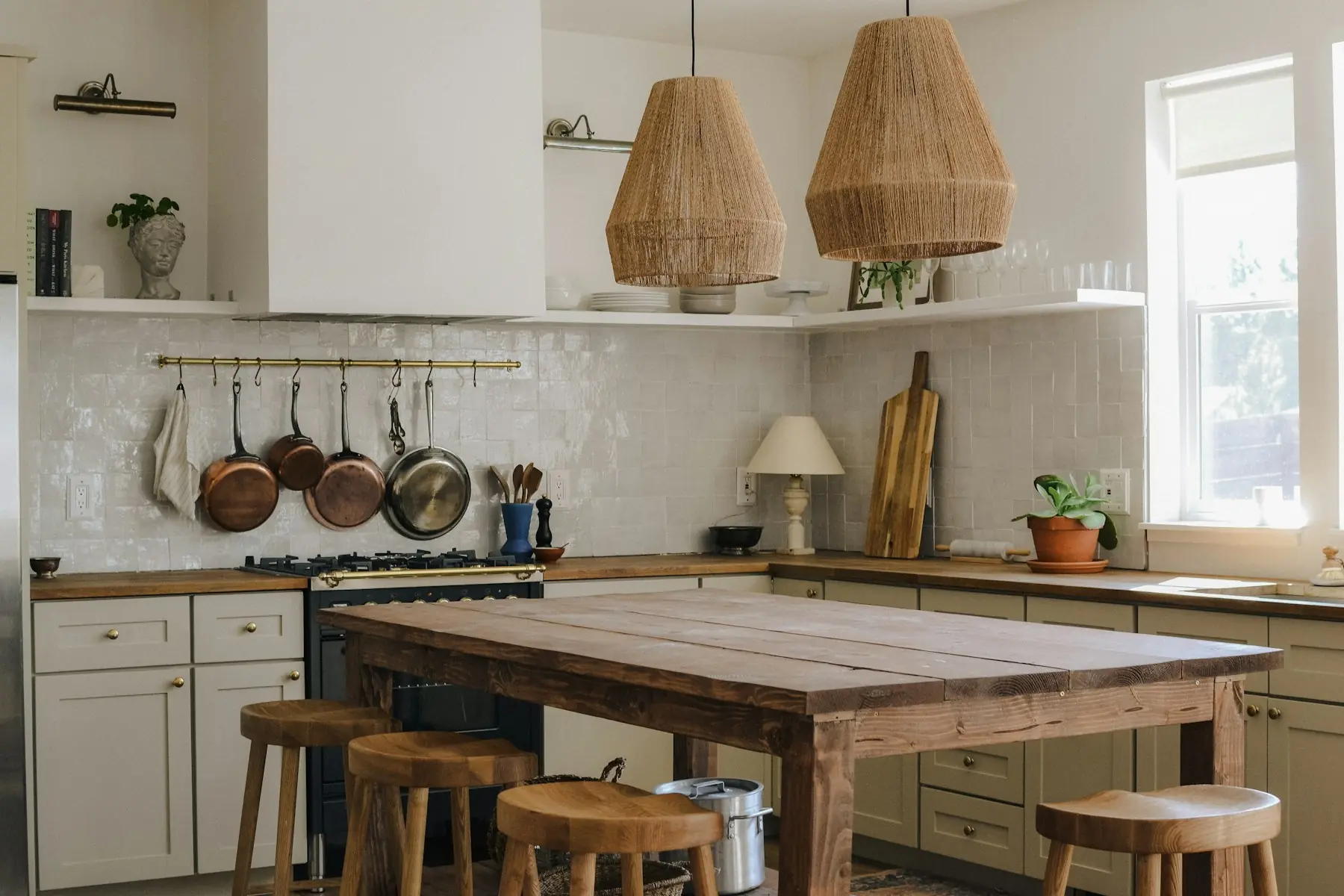
The design combines the kitchen and breakfast room, keeping the arched window and adding an arched opening to the dining room. A plaster hood with a hidden insert anchors a 36-inch range. Cabinets are stained rift white oak with simple inset doors and iron hardware. Counters are honed quartzite; the backsplash is a hand-glazed square tile in warm white with a band of patterned tile behind the range. The floor is a porcelain tile with a terracotta look. Lead-safe practices, replacement of knob-and-tube wiring and galvanized pipes, and plaster patching are included in the scope.
Projects like this typically cost $120,000 to $165,000.
Lighting a Spanish kitchen
Wrought-iron or bronze pendants, simple lanterns and recessed LEDs on dimmers create warm light without competing with the architecture. Hide under-cabinet lighting behind a light rail. Keep color temperature warm, around 2700K, to flatter plaster and wood. All new fixtures must meet the 2025 Energy Code.
Color palette ideas
Warm white plaster walls, terracotta or ochre floors, deep green or blue accent tile, stained oak or walnut cabinets and aged bronze hardware form a classic palette. For a lighter take, paint cabinets in a soft cream with wood open shelves and a natural stone counter.
Respecting thick walls
Thick stucco walls make deep window sills, which are perfect for herbs or small plants over the sink. When widening openings in these walls, confirm whether they are bearing and whether hidden structural elements exist before committing to a design.
Matching new and old plaster
New drywall next to old plaster can look flat and out of place. Skilled crews blend the two with a skim coat or a hand-troweled finish that echoes the original texture. Ask to see examples of the crew's plaster work, and agree on the finish before walls are patched.
Planning storage in a period kitchen
Spanish Revival kitchens can feel spare without enough storage. Add a pantry cabinet with interior pull-outs, use deep drawers for pots, and consider a niche or open shelving for everyday dishes. Hidden appliance garages keep counters clear while preserving the look.
Timeline expectations
Older homes with plaster, custom tile and rewiring take longer than average. A full remodel here commonly needs three to four months on site, with custom tile and plaster hood work adding time near the end.
Sourcing materials
Handmade tile, reclaimed terracotta and custom ironwork can take weeks to arrive. Visit tile showrooms in the South Bay and on the Peninsula early, order samples, and confirm lead times before construction begins. For plaster hoods, ask the plasterer to prepare a small sample of the finish so you can approve texture and color.